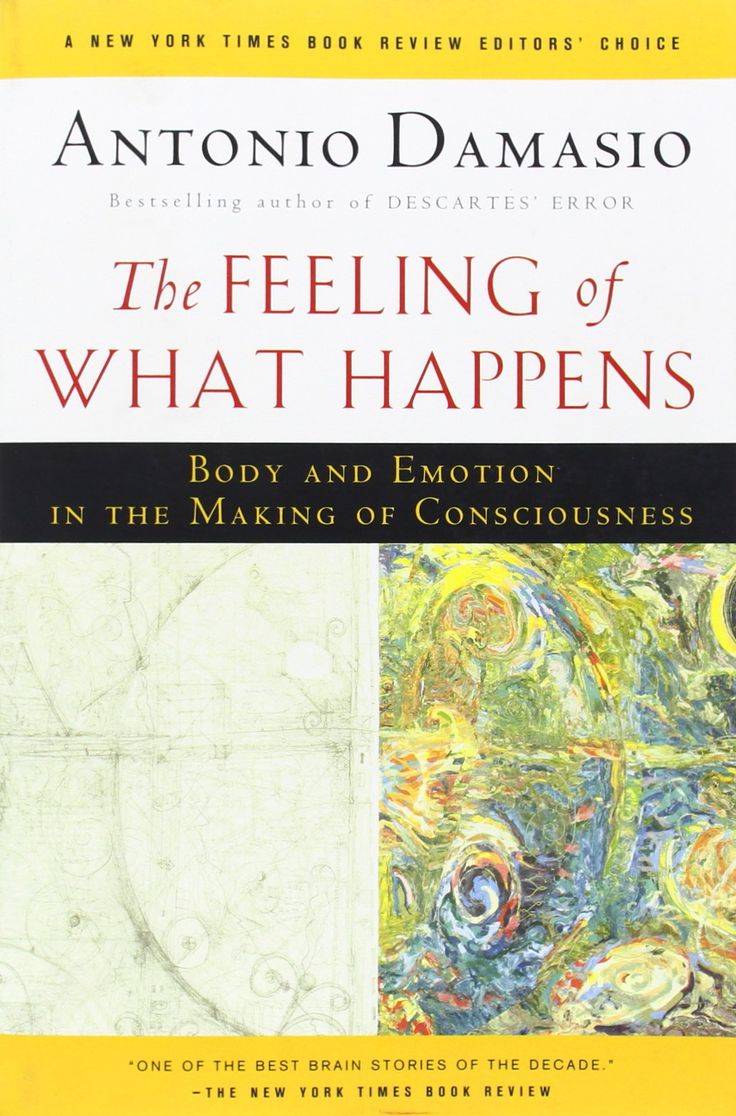
One difficulty in reviewing popular science is separating the power of the ideas from the communicative skill of the work. Antonio Damasio is among the most influential of this generation’s consciousness researchers. His notion that consciousness is the “feeling of what happens”—a body assessing its internal state, interacting with the environment, utilizing emotion as a signal of the consequences of that interaction, and then noticing itself doing all this—is somewhat a return to William James’s focus on emotion as a reaction to environment, not (primarily) an internally manufactured state. Damasio extends James’s thesis by positing specific neurological mechanisms for emotional experience and then linking all this to the elusive concept of consciousness. The Feeling of What Happens, in other words, gets high marks for the novelty of the ideas themselves, debated as they still are. Damasio is also a clear writer, but this alone doesn’t equal skillful communication. A storyteller must either choose their audience well or pretend that they do—that is, maintain a consistent tone, know when to build and release tension, and never, ever make trade-offs between precision and drama. If such trade-offs feel necessary, something has already gone wrong. The Feeling of What Happens, unfortunately, falls short in all of these areas. In the end, the experience of reading is also a feeling, not an exercise in processing and remembering facts and arguments. The predominant feeling here is of a group of ideas that falls just short of being a story. A unfinished chronicle of human self-understanding, perhaps, which we one day may regard in a different category of value than literary achievement. 6
Damasio, Antonio. The Feeling of What Happens. Mariner, 1999. Reviewed September 6, 2025.