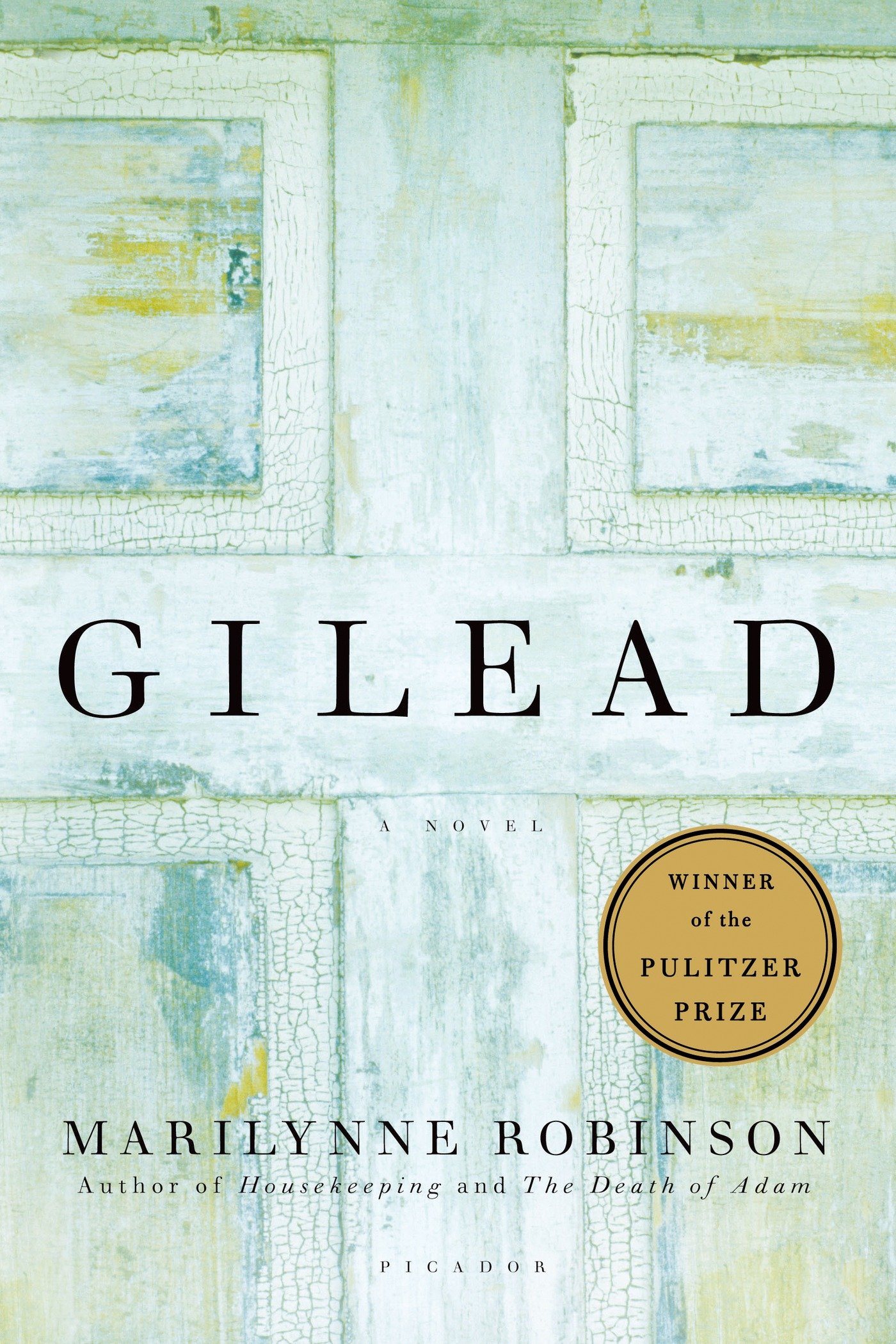
It’s hard to believe that some works of art were created by just one person. Dylan’s Blood on the Tracks, for example, or di Sica’s Bicycle Thieves. Their content is so perceptive, so varied, that multiple lifetimes of experience seem necessary. Marilynne Robinson’s Gilead is like this. Her mouthpiece is John Ames, a pastor of a small town in a big country that’s poised halfway between benighted and enlightened. (Still.) Ames’s epistolary reflections range widely—his theology, which is to say Robinson’s, is deep and unpretentious—but return always to the crossroads of suffering, love, and redemption. These are themes that force us to engage both the cosmic and the everyday, and then to build a bridge between them. Robinson’s bridge is made of stories of prodigal children, the feeling of dying, the disharmony between peace and justice, and constant consultation with a tribeless God. The world is filled with marvels. Gilead is one of them. 11
Robinson, Marilynne. Gilead. Farrar, Strauss, and Giroux, 2004. Reviewed July 20, 2025.