Category: Music Reviews
-
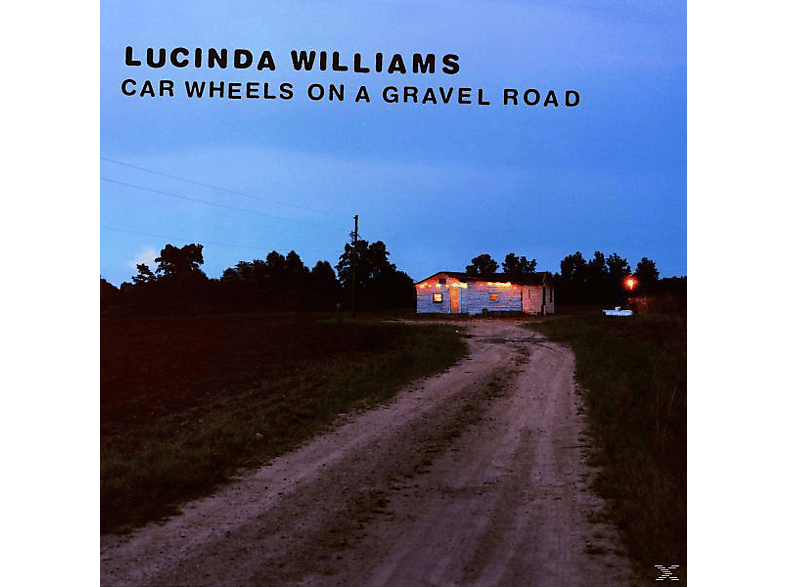
Car Wheels on a Gravel Road, Lucinda Williams (1998)
Home is an idea, a mythical place of unconditional love and unquestioned belonging. It’s also a real place filled with what’s most familiar to us—that is, the things we find most beautiful and most appalling in this wide world. The brilliance of Car Wheels on a Gravel Road is that Williams doesn’t offer resolution. She…
-
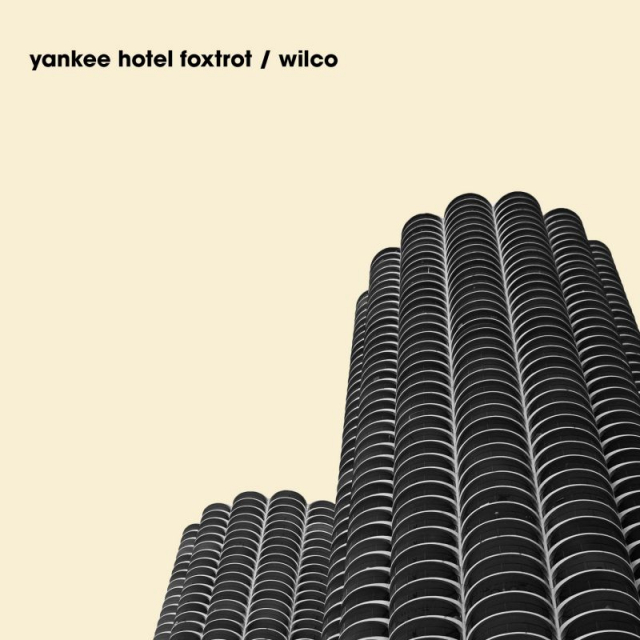
Yankee Hotel Foxtrot, Wilco (2002)
Every listener has their biases. I’ve just never really quite grasped 21st-century indie rock, whatever that label means. I’ve been trying and mostly failing to appreciate Arcade Fire, Grizzly Bear (or is it Panda Bear?), Vampire Weekend, etc. for two decades—these bands move many, many people, and so there must be something there, but my…
-
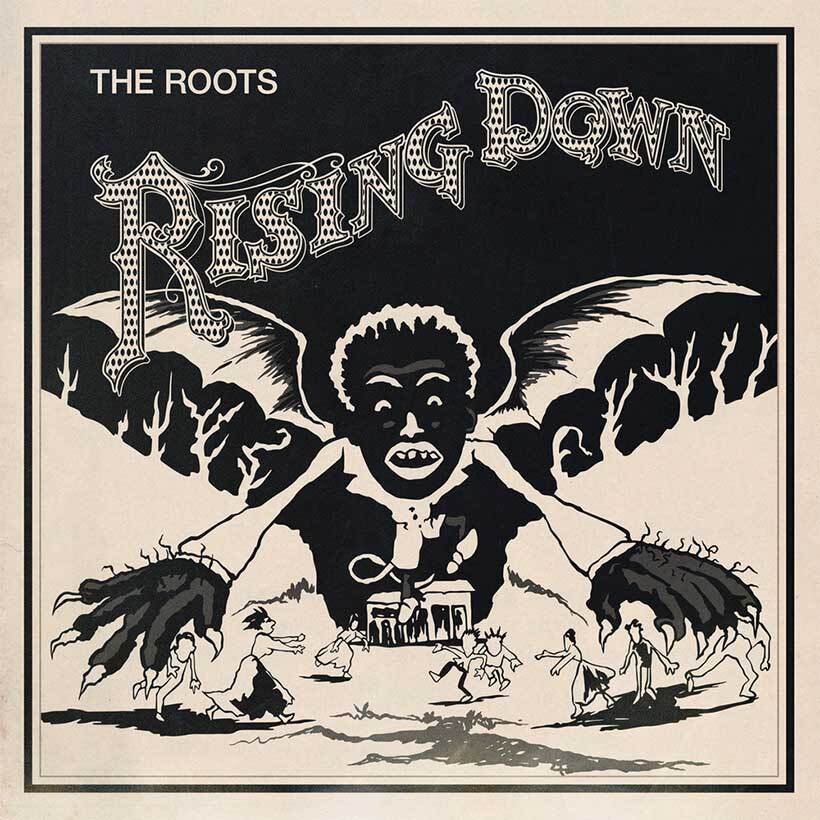
Rising Down, The Roots (2008)
There are no label-friendly singles on this album, no Do You Want More?-style heady jazz, none of the late 90s neo-soul vibe. The mood of Roots albums had been growing steadily darker over the years, and Rising Down is the apotheosis of grime. That’s a good thing. It’s not easy to grab listeners with an…
-
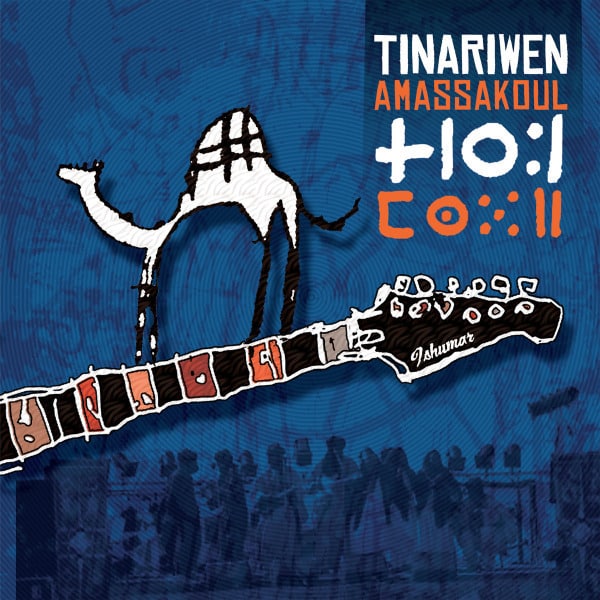
Amassakoul, Tinariwen (2004)
These dudes are the real deal. The members of Tinariwen met and learned to play music in refugee camps. Lead vocalist Ibrahim Ag Alhabib’s first guitar was made of a gas can, a stick, and a bicycle brake line. The band reportedly has seventeen bullet wounds between them. Tinariwen’s astonishing music is rooted in the…
-
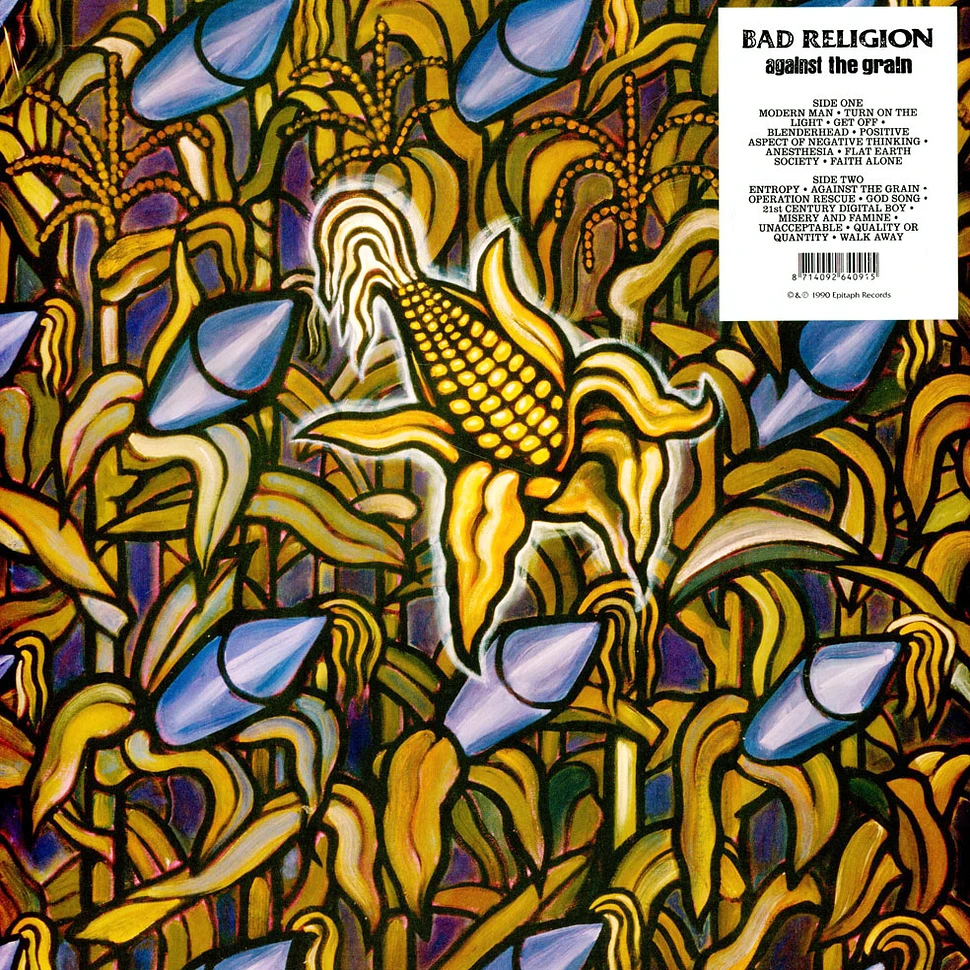
Against the Grain, Bad Religion (1990)
Each of Bad Religion’s albums conveys a different shade of world-weary righteousness. Disgust is probably the dominating emotion of Against the Grain—disgust at growing ecological disaster, our numbing addiction to consumption, the rise of retrograde evangelism. It’s as if the band simply can’t believe that natural selection produced such an idiotic organism. And yet Against…
-
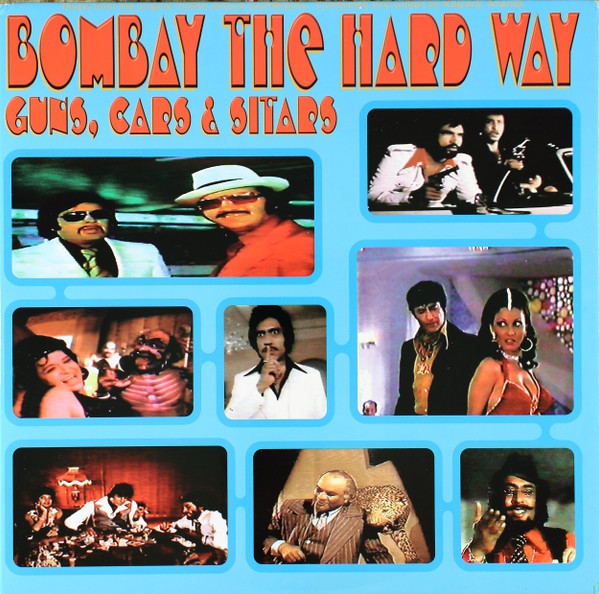
Bombay the Hard Way: Guns, Cars, and Sitars, Kalyanji-Anandji & Dan the Automator (1998)
The brothers Kalyanji and Anandji Shah composed hundreds of Bollywood soundtracks over their career, mostly for masala action flicks. Bombay the Hard Way is a collection of their 1970s funk-heavy work, curated, produced, and remixed by San Francisco legend Dan the Automator. It’s not an earth-shaking album, but good enough to generate curious smiles and…
-
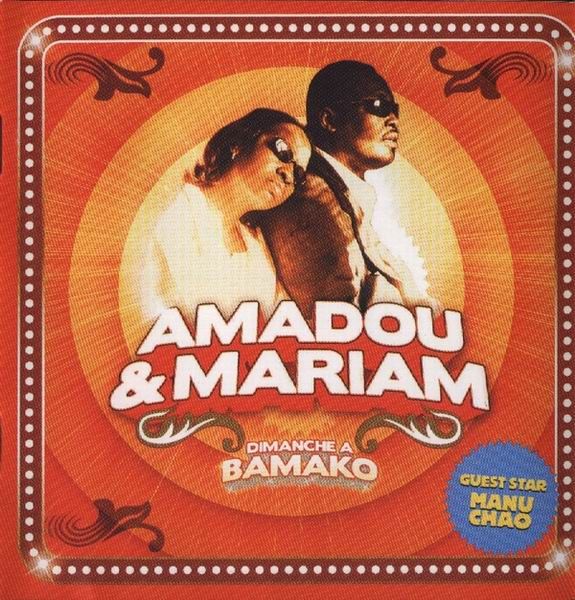
Dimanche à Bamako, Amadou & Mariam (2005)
Amadou Bagayoko and Mariam Doumbia met at Mali’s Institute for the Young Blind in the late 1970s, and for the next couple decades made music in relative obscurity. Near the turn of the century, they began overlaying Malian traditional music with blues and rock styles, utilizing a dizzying array of instruments—balafon, calebasse, djembe, trumpet, harmonica, tabla,…
-
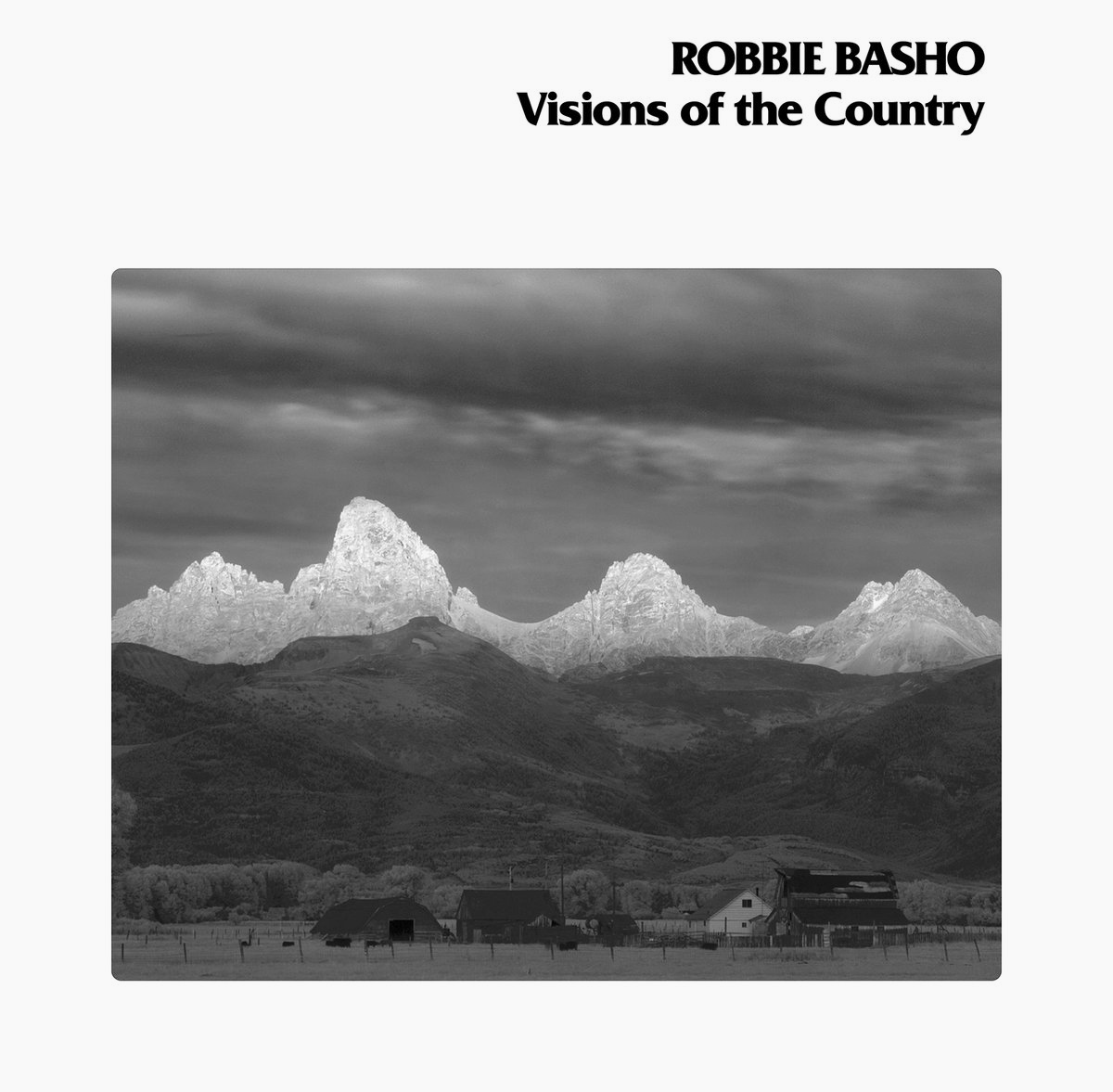
Visions from the Country
Robbie Basho’s guitar is astonishing. Basho immersed himself deeply in various musical traditions—Indian, Persian, Native American, among others—but cultural syncretism only works when it results in something truly original. Basho’s sound is. The songs contain shadows of ragas, scales born far from the Wyoming high plateau, chants in a Native cadence; but in the end…
-
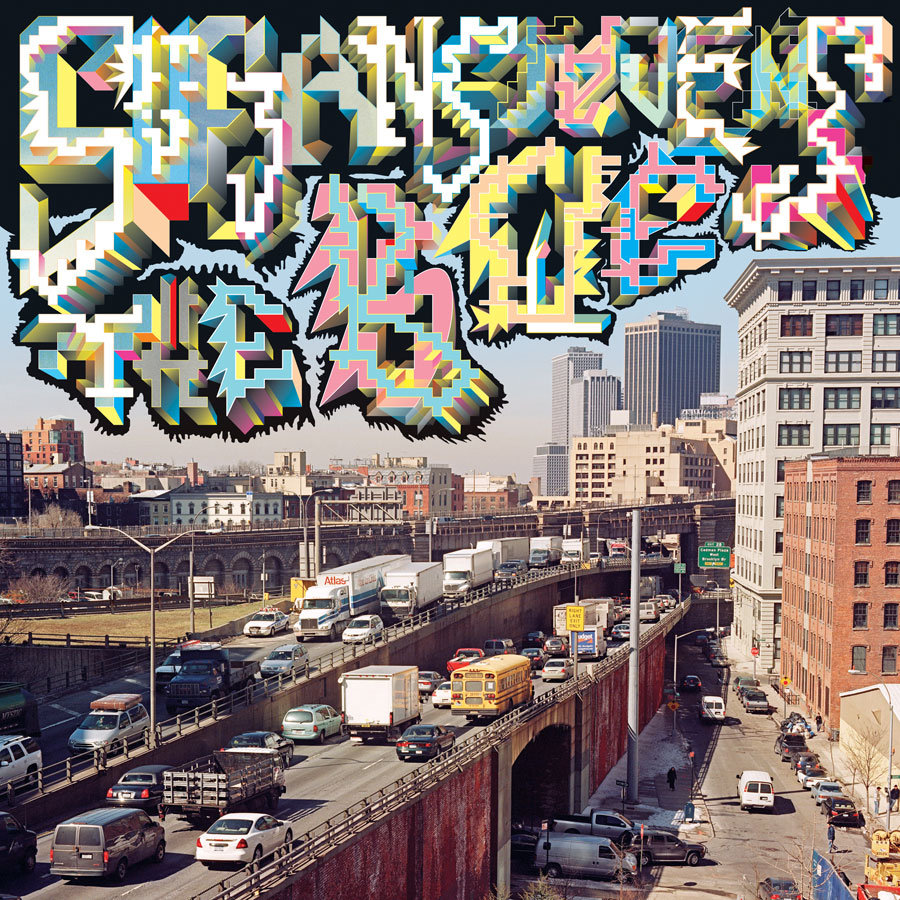
The BQE, Sufjan Stevens (2007)
The ambition of Sufjan Stevens! How many composers would attempt a symphony about an expressway? Much less pull it off—BQE is musically varied, hilarious, sometimes stirring, and ultimately joyous. I admit that if I didn’t know the concept and intention of the project, the music wouldn’t hit as deeply as it does. But the cover…
-
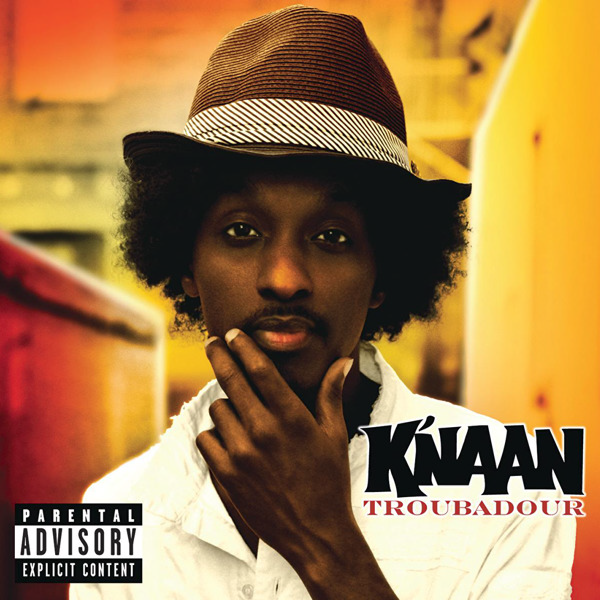
Troubadour, K’naan (2009)
K’naan hasn’t released an album in thirteen years, and that’s only if we’re counting 2012’s mediocre Country, God or the Girl. But the Somalian-Canadian MC’s first two albums, The Dusty Foot Philosopher and Troubadour, had the potential to take mainstream hip-hop into thrilling, borderless territory. K’naan’s art has an emotional center: his experience of fleeing…
-
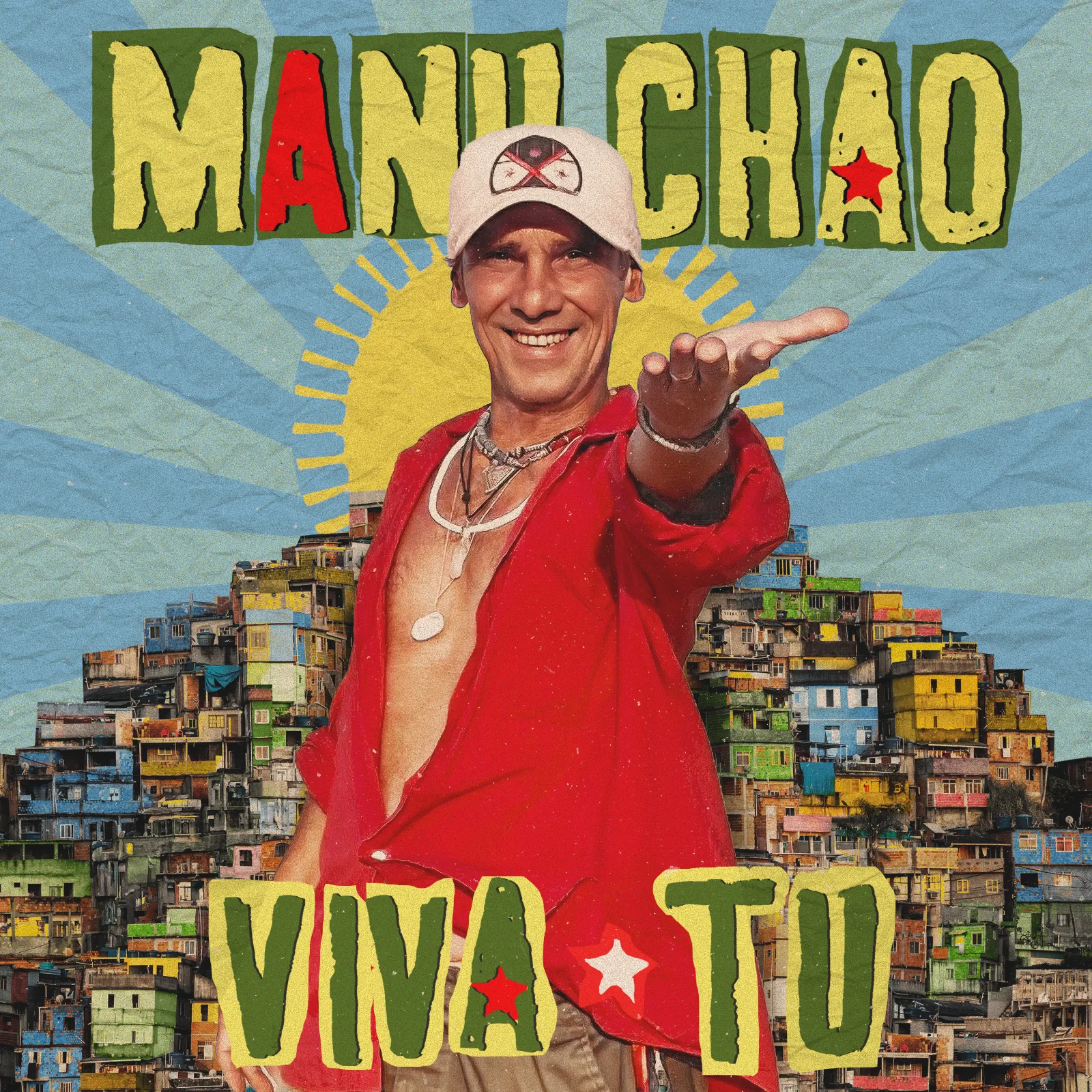
Viva Tu, Manu Chao (2024)
With the release of Clandestino in 1998, Manu Chao created a new sound, an original fusion in senses musical (reggae, punk, folk, blues), linguistic (Spanish, French, English, Portuguese, Catalan, Arabic), and thematic (justice, heartbreak, joy). “Fusion” in the best sense of that word—not a forced meeting, but a revelation of threads that already connect what…
-

Gracious Mama Africa, Dezarie (2001)
To describe Dezarie’s vibe—soul-stirring basslines, sweet melodies, militant lyrics—is to enumerate the qualities that give reggae global appeal. And yet there’s something unique in Gracious Mama Africa that defies adjective. Consider, from “Poverty,” sung over an achingly lovely tune: “…them raise certain price despite/Just so black youth them can’t enjoy/So in return all them want…
-
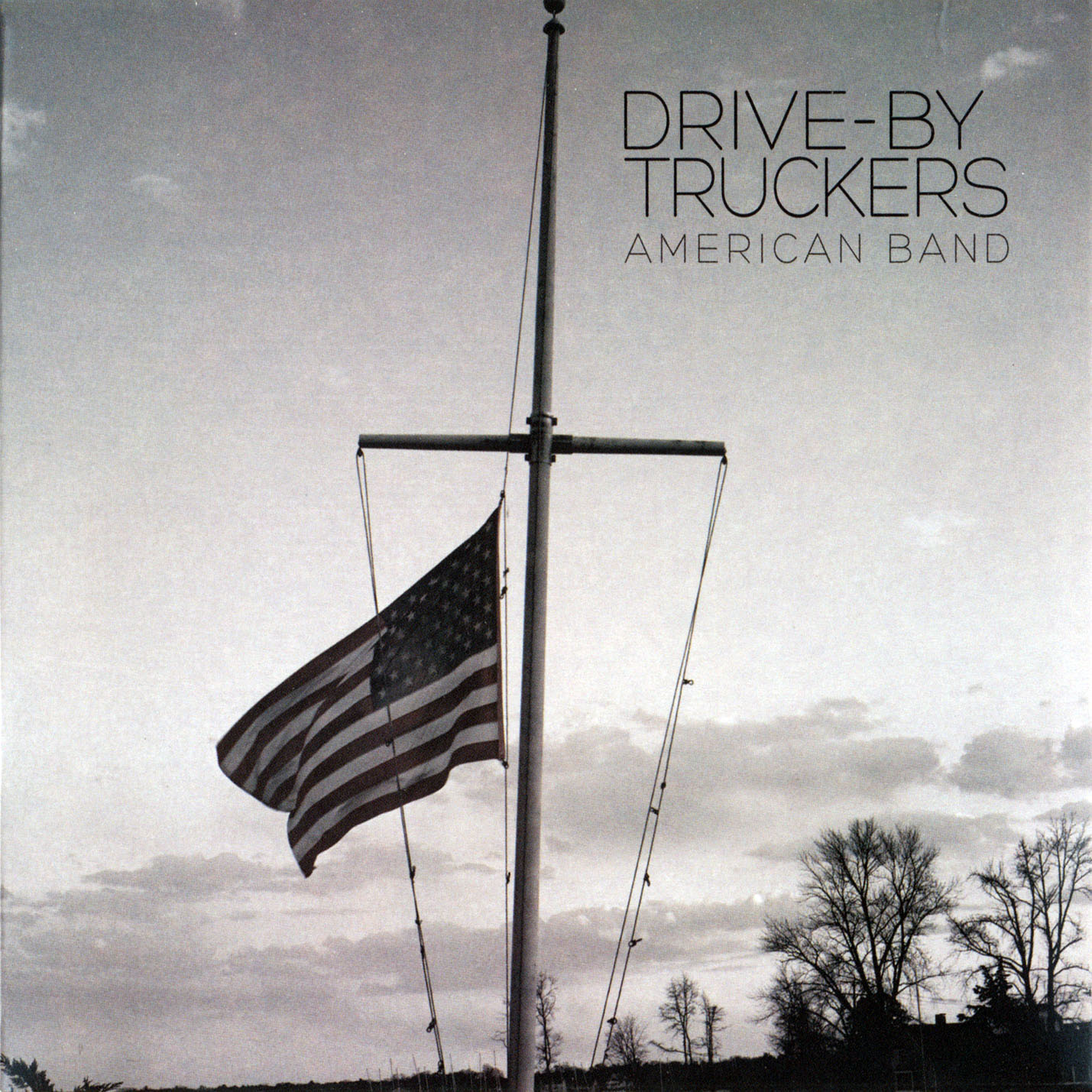
American Band, Drive-By Truckers (2016)
Honest political art must walk the line between ambiguity and conviction. Sloganeering, no matter how righteous the fight, eventually ends in middle-aged exhaustion. This is especially the case when the tribe is the cause. No song better exemplifies the success of American Band than “Ever South,” an odd mix of (Irish-)European pride and settler confessional.…
-
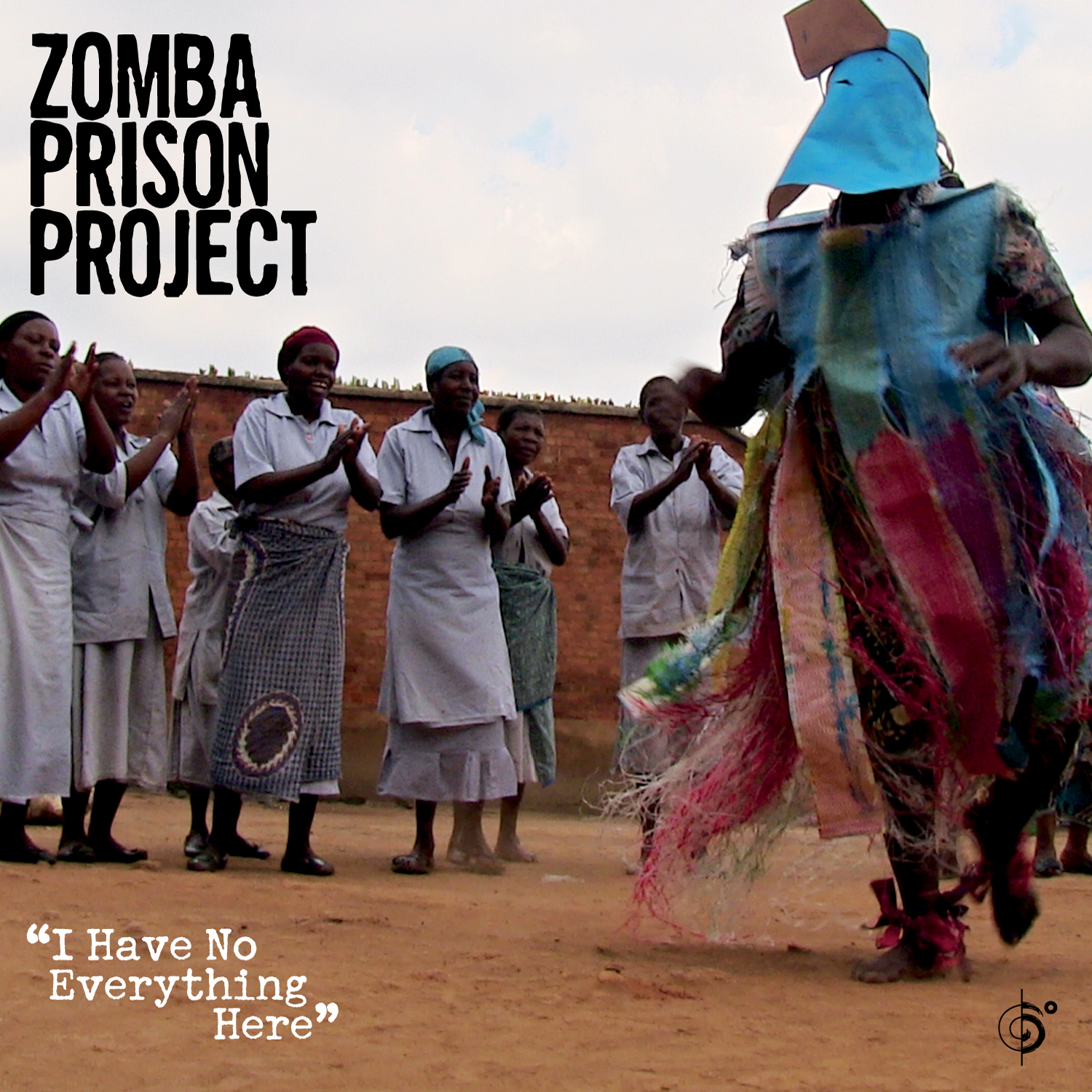
I Have No Everything Here, Zomba Prison Project (2015)
Dostoevsky, in House of the Dead, wrote that the character of a society can be judged by entering its prisons. It would not be fair to lay the horrors of Zomba Central Prison—overcrowding, malnutrition, HIV—on Malawian society: it’s one of the poorest countries in the world, and the gap in well-being between free people and…
-
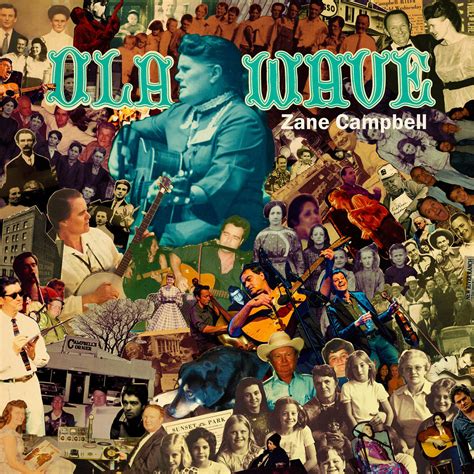
Ola Wave, Zane Campbell (2017)
Zane Campbell is the real deal. A royal Appalachian music bloodline, a life torn apart by drink and drugs, undeniable lyrical genius, a refusal to conform to country-music-as-beer-commercial. What does it all amount to? Maybe nothing more sitting on a torn recliner in the yard with a scruffy guitar in hand, singing your heart out…
-
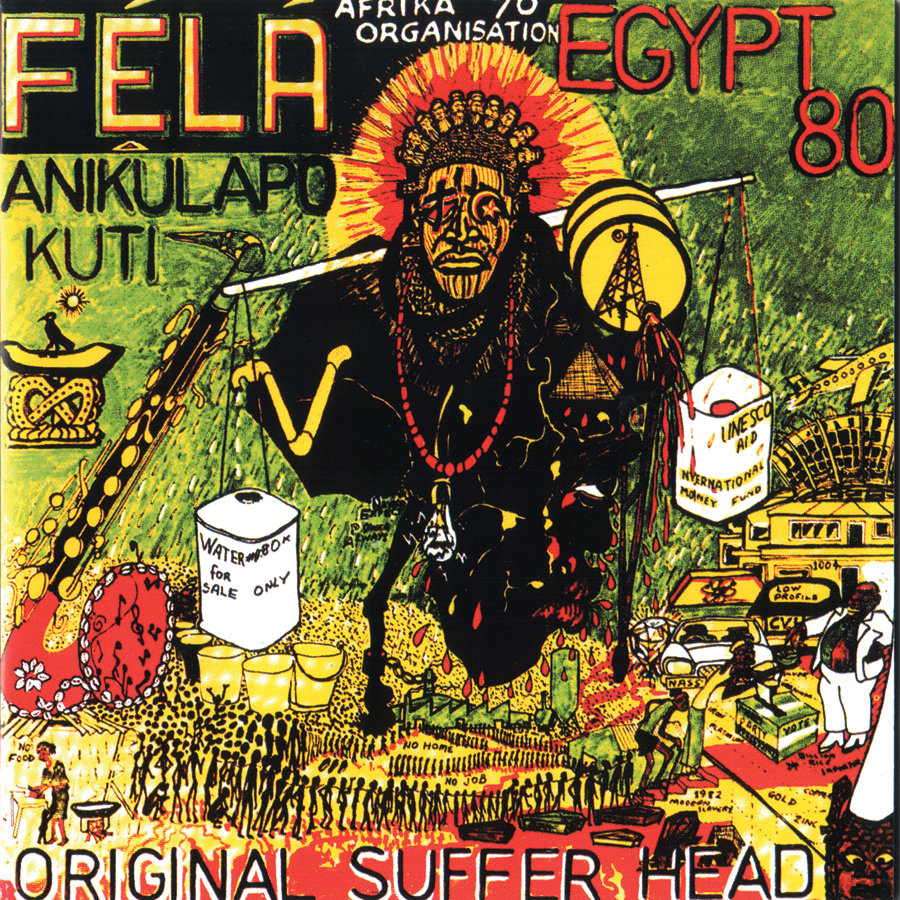
Original Sufferhead, Fela Kuti (1981)
Few artists can credibly lay claim to inventing a genre. The genre Fela Kuti created, Afrobeat, remains difficult to define. The word connotes musical influences (Nigerian traditional music, Ghanaian highlife, funk, soul), instrumentation (horn-heavy, percussion forward), and a musical ideology (energetic, experimental, political). All of this is a reflection of Fela’s time and place: a…
-

Rough and Rowdy Ways, Bob Dylan (2020)
All Bob ever wanted is for us to not forget the past. Not to excuse its crimes or stop moving forward, but to simply remember what we once were, how we once felt. Every Dylan record since 1992’s Good as I Been to You serves this kind of conservatism—the best kind of conservatism, one interested…
-
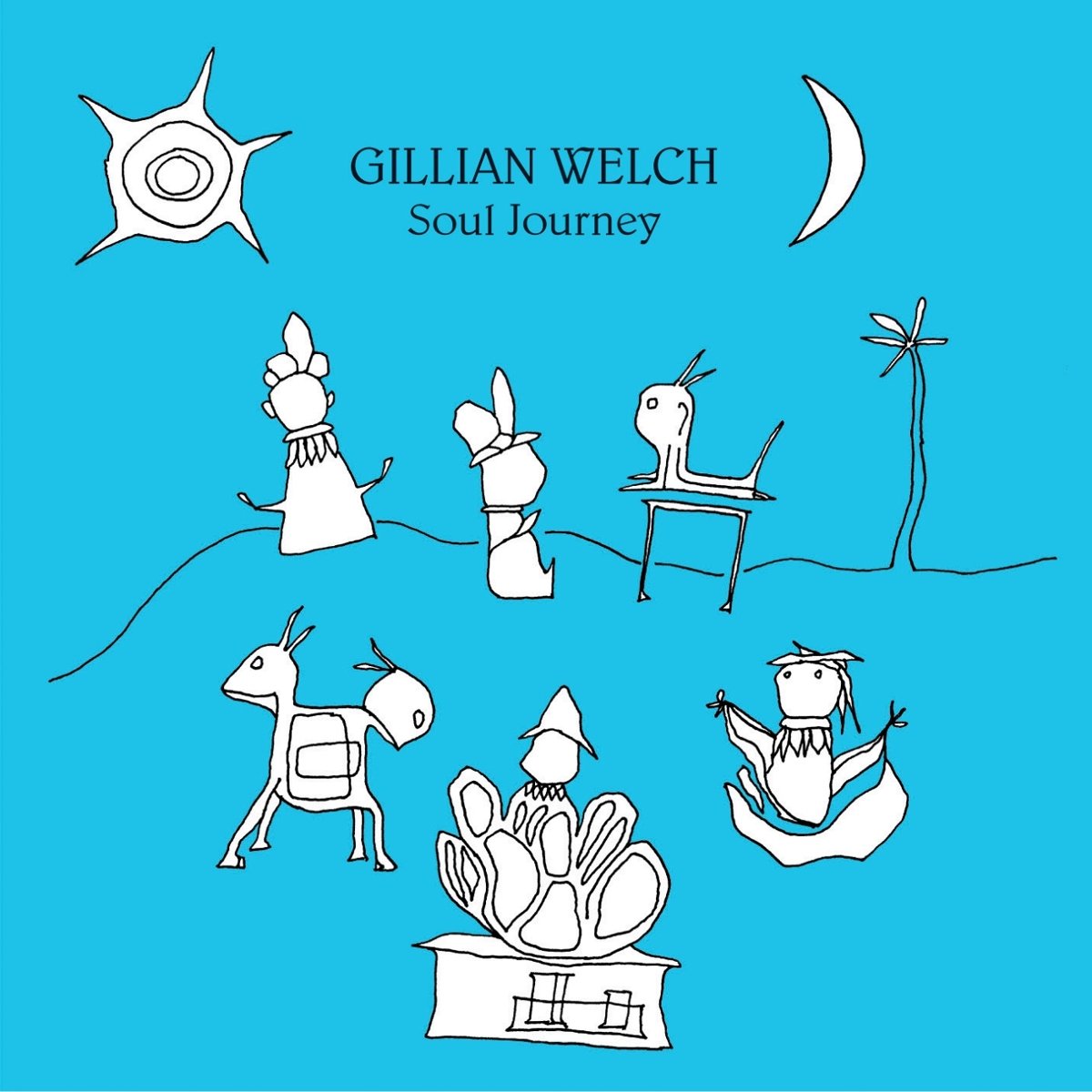
Soul Journey, Gillian Welch (2003)
Critics generally regard Gillian Welch’s third album, Soul Journey, as an artistic lull. I disagree. The dominant themes of her other early albums—Revival‘s wistfulness, Hell Among the Yearlings‘ gothic grimness, Time (the Revelator)‘s nostalgic cool—rely on more powerful human emotions than the lightness of Soul Journey. But lightness can also be deep. It’s the sensation…
-
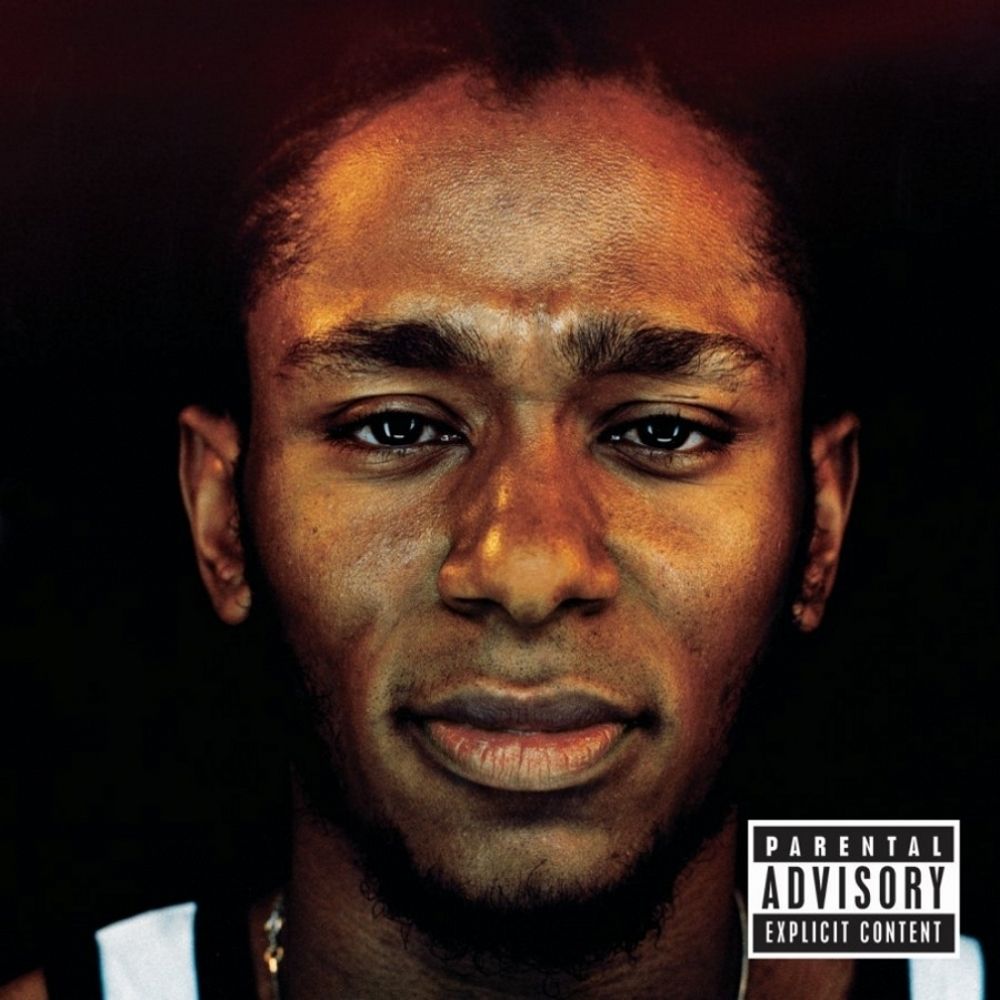
Black on Both Sides, Mos Def (1999)
I hated my nose growing up. It was too big, too bulbous. I wanted a white nose: Roman, aquiline. The insecurity grew milder as I got older, but it wasn’t until I saw the album cover for Black on Both Sides, and then listened to the music, that I understood how thoroughly I’d been brainwashed.…
-
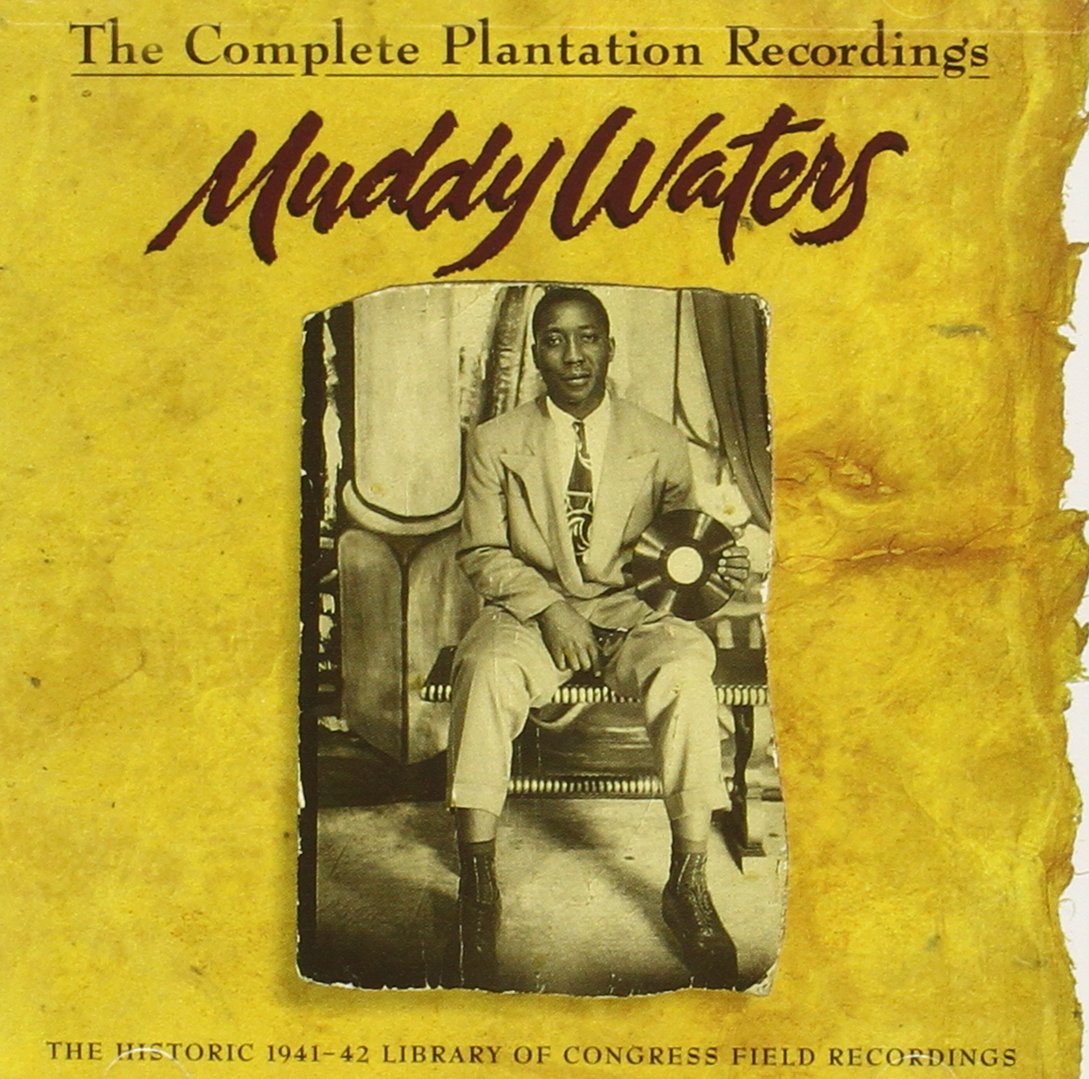
The Complete Plantation Recordings, Muddy Waters (1941)
In 1941, the music historian Alan Lomax traveled to Clarksdale, Mississippi, hoping to record the legendary Robert Johnson. Johnson was dead, but locals pointed Lomax to another blues guitarist, McKinley Morganfield, better known by his nickname Muddy Waters. Over the course of two visits in 1941 and 1942, Lomax and the musicologist John Work recorded…
-
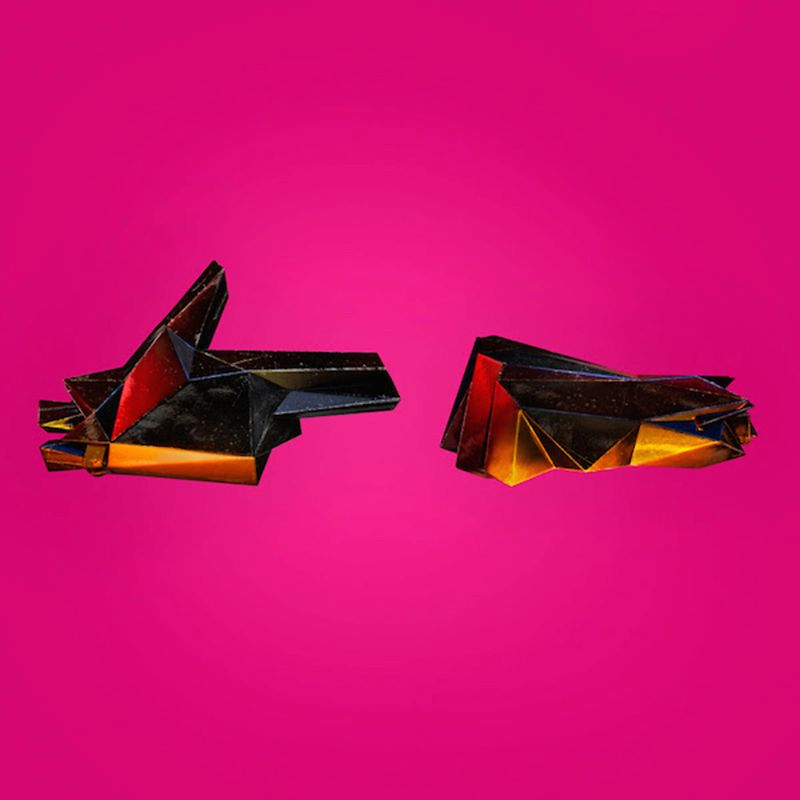
RTJ4, Run the Jewels (2020)
RTJ4 dropped a week after George Floyd’s murder and a few months after COVID-19 hit the world stage. In retrospect, the most painful aspect of 2020 wasn’t the horrific events themselves. It’s the blinding realization that the world is just the same as it was before. No major legislation addressing police brutality passed; no overdue…