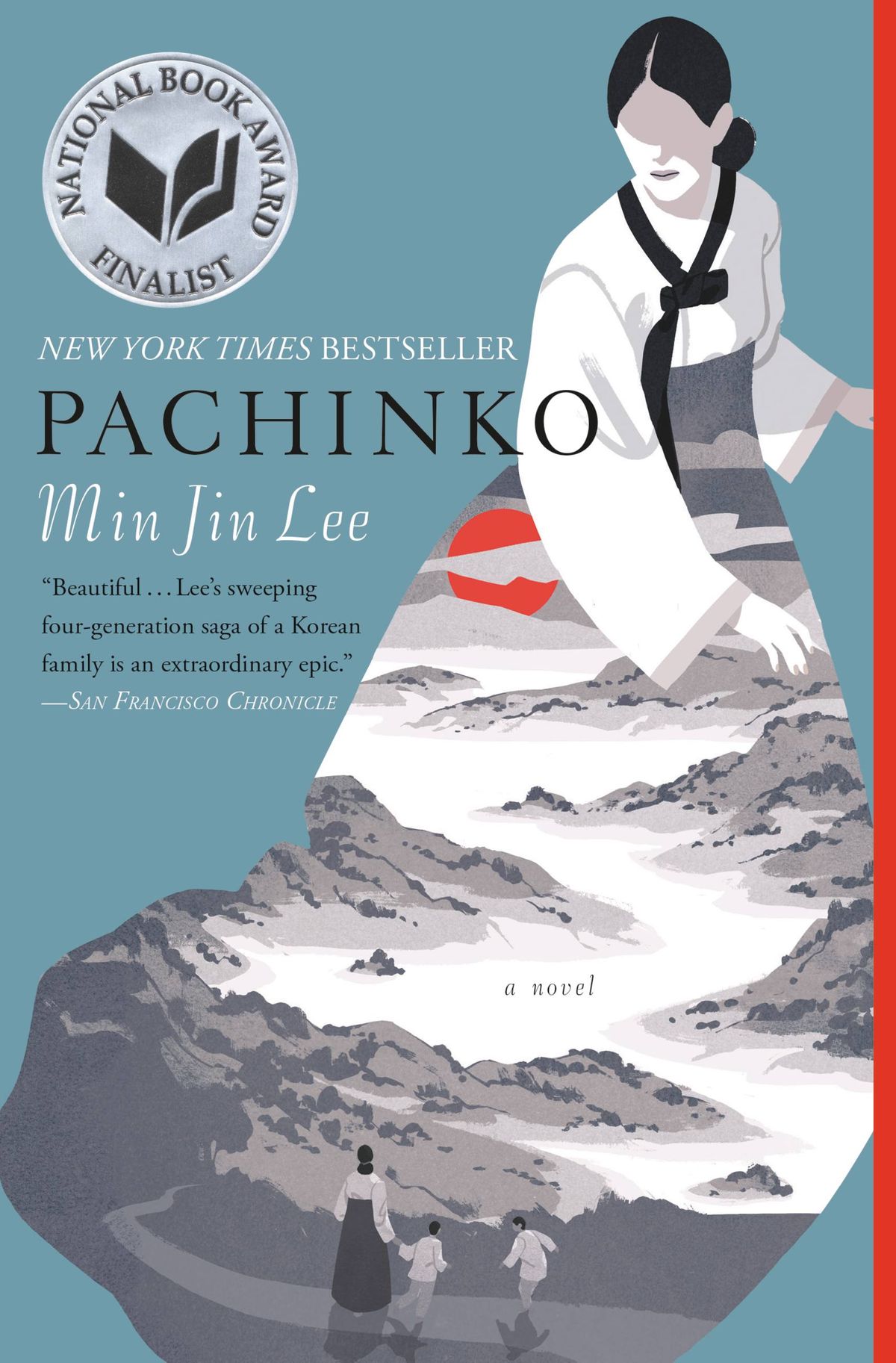
In a general sense, the events of Pachinko might have happened to any of a billion immigrant families. Lee’s carefully painted details of Korean life in twentieth-century Japan matter, of course; emotional power derives from such meticulousness. But precarious livelihoods, ill-advised affairs, lucky meetings with rich patrons, the slow building of wealth, the ever-present risk of collapse by accident or hate or a single bad decision—all of this is as old as the first family that arrived in a land of strangers. Min Jin Lee’s brilliance is in overturning the meanings of ordinariness and greatness. Sunja and Mosazu and even Noa endure—the duration of endurance is not important—and thus attain the only form of greatness that’s really open to humans. Rich and powerful Hansu, on the other hand, is not wrong about the meanness of the world, but he does not see how ordinary such beliefs are. There is no greatness in winning, truly; and there is no fragility in losing a game with ugly rules. We will all wake up one day, glance in the mirror, and be unable to deny that we are old. That’s for certain. What will our second thought of that day be? 8
Lee, Min Jin. Pachinko . Grand Central Publishing, 2017. Reviewed August 13, 2025.